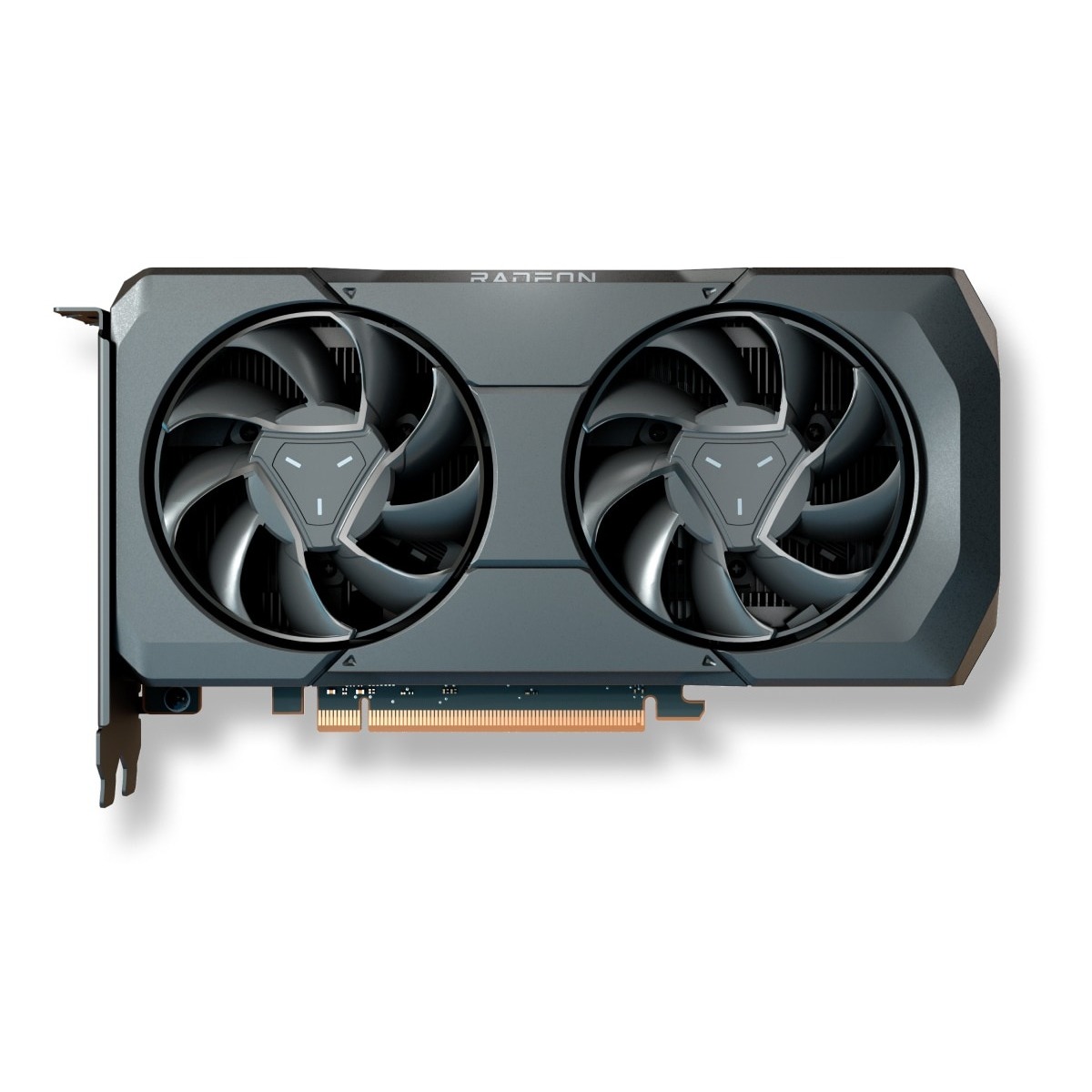
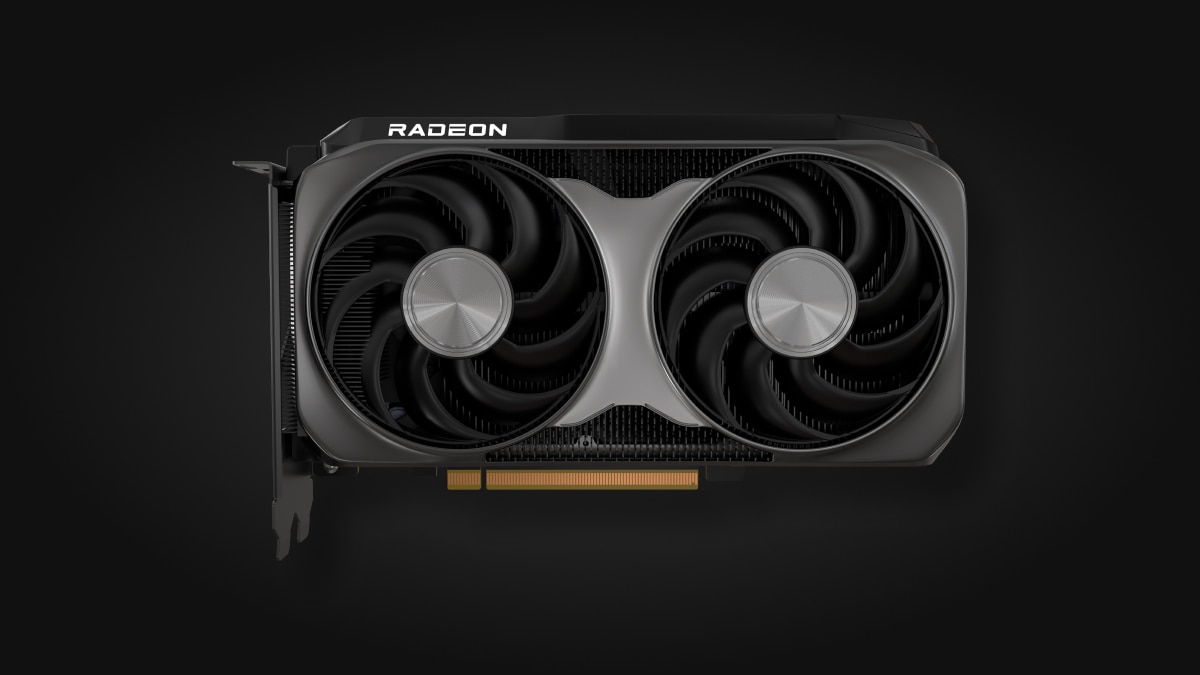
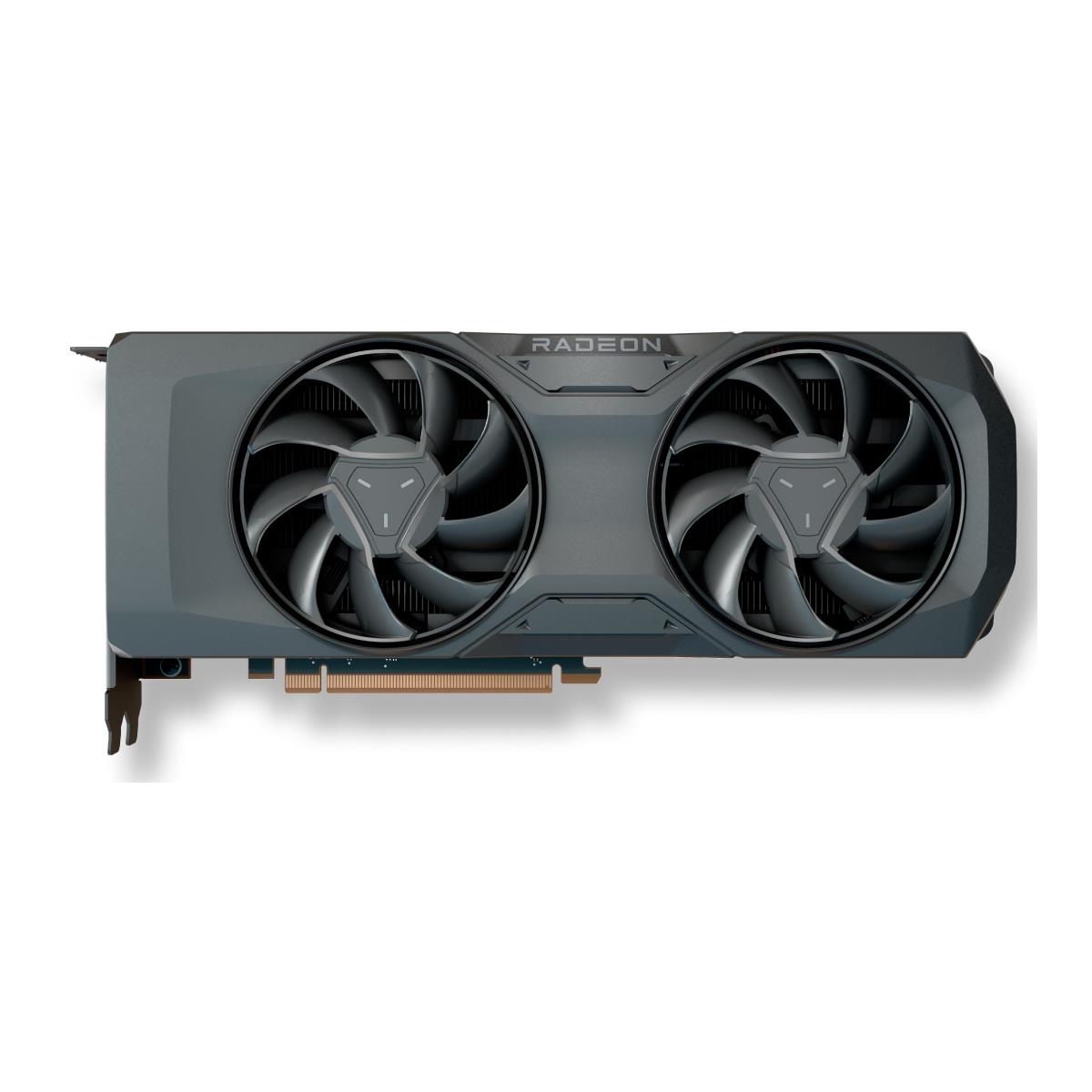
NVIDIA GeForce RTX 4070
A 200 W Ada Lovelace card with 12 GB of memory, DLSS 3.5 and a compact two-slot reference design.
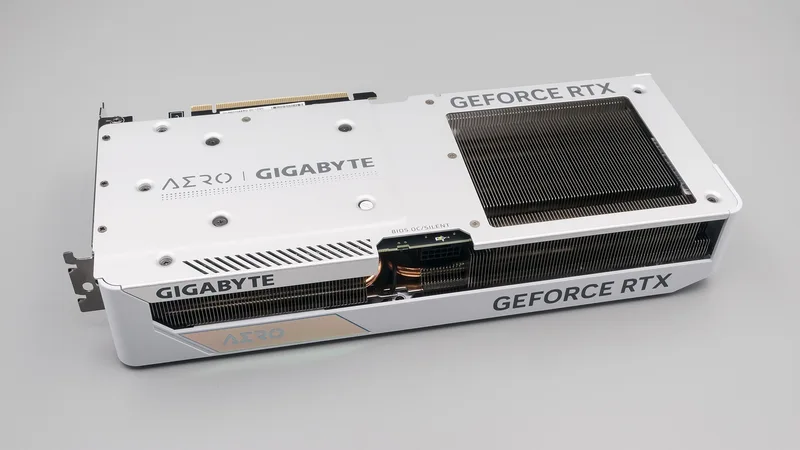
Full Specification Sheet
| CUDA Cores | 5,888 |
|---|---|
| Memory | 12 GB GDDR6X or GDDR6 (model dependent) |
| Memory Bus | 192-bit |
| Boost / Base Clock | 2.48 GHz / 1.92 GHz |
| TDP | 200 W |
| Required System Power | 650 W |
| Architecture | Ada Lovelace (3rd-gen RT Cores, 4th-gen Tensor Cores) |
| Outputs | 1x HDMI 2.1a, 3x DisplayPort 1.4a |
The NVIDIA GeForce RTX 4070 launched on 13 April 2023 at a recommended price of $599, positioned as the entry point to NVIDIA's high-performance 40 series graphics cards. It is based on the Ada Lovelace architecture, carries 5,888 CUDA cores and 12 GB of memory on a 192-bit bus, and has a total graphics power of only 200 W. That last figure is the card's defining trait: it is designed to deliver strong 1440p performance and capable 4K performance while staying within a modest power budget and a physically compact reference design. This page explains the specification and what it means when you choose a card.
Core specifications
The GPU runs at a base clock of 1.92 GHz and a boost clock of 2.48 GHz. NVIDIA lists 29 TFLOPs of shader performance, 67 TFLOPs of ray tracing performance from third-generation RT cores and 466 AI TOPS from fourth-generation Tensor cores. The memory subsystem is 12 GB on a 192-bit interface with a bandwidth of 504 GB/s, and the memory is listed as GDDR6X, with a GDDR6 version also listed by NVIDIA. If the memory type matters to you, confirm which one your chosen model carries. The design is built on the AD104 graphics processor and connects to the motherboard through PCI Express Gen 4.
These are peak-capability figures, not performance measurements. Ray tracing and AI numbers describe the theoretical throughput of specialised hardware, and how much a game benefits depends on how it uses those units. For a spec-first comparison, the most reliable approach is to line the numbers up against neighbouring cards, which you can do with our comparison pages.
DLSS 3.5 and the AI features
One of the reasons to consider the 40 series is the software feature set that its hardware enables. NVIDIA lists DLSS 3.5 on this card, a suite that combines Super Resolution upscaling, DLAA anti-aliasing, Ray Reconstruction for cleaner ray-traced lighting and Frame Generation, which inserts additional AI-generated frames to raise displayed frame rates. Frame Generation relies on the Ada Lovelace hardware, so it is a genuine differentiator compared with earlier generations. Not every game supports all of these features, so check the games you play before basing a purchase on them. The card also supports NVIDIA Reflex for latency reduction, NVIDIA Broadcast and the Studio driver branch for creative applications.
Media engine and display
For content creators and streamers, the card has one eighth-generation NVENC encoder and a fifth-generation decoder, with AV1 encode and decode support. AV1 is an efficient video codec that can deliver better quality at a given bitrate, which is valuable for streaming and recording. On the display side, the reference card provides one HDMI 2.1a port and three DisplayPort 1.4a ports. It can drive up to four displays, with 4K at 240 Hz or 8K at 60 Hz possible using display stream compression and HDR support. HDCP 2.3 is supported.
Power, size and efficiency
The total graphics power is 200 W, and NVIDIA recommends a system power of 650 W, based on a test system with a Ryzen 9 5900X processor; your own build may need more or less. The reference card connects with two 8-pin PCIe cables through an adapter included in the box, or with a 300 W or greater PCIe Gen 5 cable. NVIDIA notes that certain manufacturer models may use a single 8-pin connector, so check the details of the specific card and the connectors your power supply provides. Our guide to PSU wattage explains how to add up the components and keep some headroom.
NVIDIA also publishes measured power figures: about 10 W at idle, 16 W during video playback using AV1, and 186 W on average across a set of 22 games at 4K, 1440p and 1080p, with a maximum GPU temperature of 90 °C. The average gaming power sitting below the 200 W rating is a useful reminder that real-world consumption usually falls short of the maximum, which helps with cooling and noise. The reference design measures 244 mm by 112 mm and occupies two slots, and NVIDIA lists it as a small-form-factor-ready card. Partner cards vary widely, from compact dual-fan models to large triple-fan designs, so always confirm dimensions against your case.
Who should buy it
The RTX 4070 suits gamers who want smooth play at 1440p with high settings, and who may want to try 4K with upscaling. It also suits people who want an efficient card for a compact or quiet system, since its power target is modest. Creators who use GPU-accelerated editing, 3D or AI tools benefit from the CUDA cores, the AV1 encoder and the Studio drivers. If you are building around a smaller budget, the GeForce RTX 3060 12GB costs less, and the RTX 4070 against the RTX 3060 12GB comparison shows how much the newer architecture adds. At the other end, the GeForce RTX 4090 and its review show what a no-compromise card looks like. Our value guide comparing a flagship and a midrange card can help you decide how much performance you need, and the graphics card catalogue lists the rest of the range.
Buying checklist
Check that the power supply has the right connectors or the included adapter is workable, that the case has room for the specific card, and that your monitor can take advantage of the outputs. Confirm the memory type of the exact model if it matters to you, and remember that the launch price shown here is the recommended price at introduction, not necessarily what the card costs now. Finally, remember that features like Frame Generation are only useful in the games that support them.
Verdict
The GeForce RTX 4070 is a well-balanced graphics card with a modest 200 W power target, 12 GB of memory, a modern encoder and the full DLSS 3.5 feature set. It is not the fastest card in NVIDIA's lineup, but its combination of efficiency, features and a compact reference design makes it a sensible choice for a 1440p gaming system. Match it with a capable processor, a power supply with a comfortable margin and a case that fits the chosen model, and the specification list above tells you what to expect from the hardware.
Photo: Jacek Halicki / Wikimedia Commons, CC BY-SA 4.0.