ADATA XPG SPECTRIX D41 16GB DDR4-3200 Review: Budget RGB Done Right
7.8/10
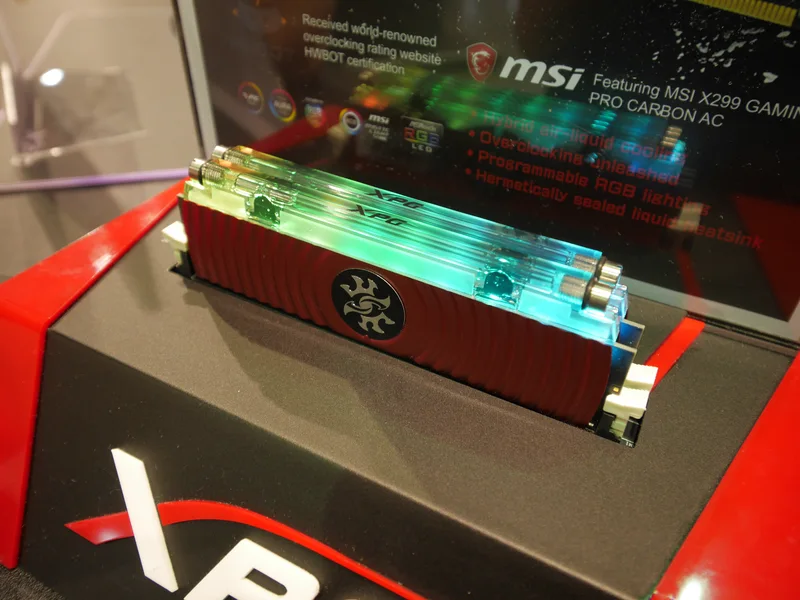
The ADATA XPG SPECTRIX D41 16GB (2x8GB) DDR4-3200 kit sits in an odd but genuinely useful spot in ADATA's RAM lineup: it is fast enough to matter, cheap enough to not think twice about, and lit up enough to satisfy anyone who wants their build to look finished rather than half-assembled. At roughly $55 for a 16GB dual-channel kit, it is one of the more approachable ways to bring a DDR4 system up to a comfortable baseline without spending GPU money on memory.
What DDR4-3200 actually buys you
The D41 ships as two 8GB modules running at DDR4-3200 with CL16 timings and 1.35V operating voltage. For context, DDR4-3200 CL16 has been the de facto "sweet spot" configuration for both AMD's Ryzen platforms and Intel's mainstream chips for years — fast enough that Ryzen's Infinity Fabric clock (which scales with memory speed up to a point) isn't leaving performance on the table, and cheap enough that you aren't paying a premium for marginal gains past this point. Going faster than DDR4-3200 on most consumer boards runs into diminishing returns fast unless you're chasing benchmark numbers specifically, so this kit's speed tier is less a compromise and more a reflection of where the real-world price-to-performance curve actually sits.
CL16 timings at 1.35V are also comfortably within spec for almost any DDR4 motherboard's default memory support list, which matters more than it sounds — kits that push CL14 or tighter timings at higher voltages sometimes need manual XMP/DOCP tuning or even BIOS updates to run stable on budget boards. The D41 is the kind of kit you can install, enable one XMP profile for, and never think about again.
The RGB, honestly assessed
ADATA's addressable RGB light bar across the top of each module is the other half of this kit's appeal, and it's worth being direct about it: this is a budget RGB implementation, not a premium one. The lighting is diffused well enough to avoid obvious hotspots, and it syncs with the major motherboard ecosystems (ASUS Aura Sync, MSI Mystic Light, Gigabyte RGB Fusion, ASRock Polychrome), so it won't fight your other components for control. It isn't going to out-shine a $120 flagship kit's per-LED addressable zones, but at this price point, nobody buying the D41 is expecting that — they're buying a competent, visible RGB accent for a fraction of the cost of the lighting-focused flagship kits.
Who this kit actually makes sense for
The realistic buyer here is building or upgrading a budget-to-midrange DDR4 system — think a Ryzen 5 or Core i5-class build — where 16GB is the target capacity and the RGB is a nice-to-have rather than the primary purchase driver. If your case has a tempered-glass side panel and you're populating it with budget-tier components elsewhere, a $55 RGB kit like this does more for the finished look of the build than almost any other single line item at that price. It is not the kit to buy if you specifically need CL14-and-under aggressive timings for competitive memory-latency-sensitive workloads, and it's not the kit to buy if 32GB is your actual capacity target — ADATA and most other vendors sell the D41 in larger kits too, and buying two 16GB kits instead of one 32GB kit from the same family is rarely the better move once you check per-GB pricing.
It's also worth thinking about this kit relative to the Corsair Vengeance RGB DDR5 32GB 6000MHz kit that sits at the top of this site's RAM category: that kit is a DDR5 platform-only purchase aimed at current-generation builds, while the D41 is squarely a DDR4 kit for people still on, or deliberately choosing, an AM4/older-Intel platform. They are not really competing for the same buyer — the D41's whole value proposition is that DDR4 platforms remain extremely cost-effective for mainstream use, and RGB memory doesn't have to mean paying DDR5 prices to get it.
Platform compatibility notes
DDR4-3200 at 1.35V is squarely inside JEDEC's extended XMP range, so compatibility issues are rare, but as with any dual-channel kit, populating the correct DIMM slots (usually the second and fourth slots from the CPU on ATX boards, check your motherboard manual) matters for actually getting dual-channel bandwidth rather than accidentally running in single-channel mode. This isn't specific to the D41, but it's worth flagging because it's the single most common reason budget RAM kits "underperform" their rated speed in real-world use — the memory is fine, the slot population wasn't.
Heat spreader height is also worth a quick check before buying: RGB kits with taller light bars can occasionally clash with large tower-style CPU coolers on the DIMM slots closest to the socket. The D41's spreader is a moderate-height design that clears most mainstream air coolers, but if you're running a particularly tall aftermarket cooler, it's worth a five-minute compatibility check against your cooler's published clearance spec before ordering.
Longevity and warranty
ADATA covers the XPG SPECTRIX D41 with a limited lifetime warranty, which is standard across the RAM industry but still worth confirming before buying from a third-party reseller, since warranty registration sometimes depends on purchase channel. DDR4 as a platform is now mature and well past its early-adopter reliability concerns — the memory controllers, motherboard firmware, and XMP/DOCP implementations that DDR4 kits run against have had close to a decade of refinement, so the kind of day-one compatibility hiccups that sometimes affect brand-new DDR5 kits are essentially a non-issue here. That maturity is part of why DDR4 kits like this one remain a genuinely reasonable purchase in 2026 rather than something to avoid because "the platform is old" — old, in this case, mostly means thoroughly debugged.
Value verdict
At its price point, the ADATA XPG SPECTRIX D41 16GB DDR4-3200 kit does exactly what it needs to: reliable JEDEC-friendly timings, dual-channel bandwidth that won't bottleneck a mainstream CPU, and RGB lighting that looks good without charging a premium for it. It won't win a benchmark chart against boutique low-latency kits, and it isn't trying to. For anyone finishing out a DDR4 build on a budget who still wants the case to look intentional when the lights are on, this is a straightforward, low-risk pick, and one of the more sensible ways to spend $55 on a mainstream system's memory.
Related reading: MSI X470 Gaming Plus MAX review, be quiet! Straight Power 12 1200W, more RAM reviews.